

Winter Sports Safety: Staying Safe on the Slopes and Ice

Dr. Farhan Rafi, MD
January 18, 2026
As a sports medicine physician who serves as the team physician for Anna High School, I see my share of sports injuries year-round. But winter brings a unique set of challenges. Whether you're planning a ski trip to Colorado, learning to snowboard, or taking the kids ice skating, understanding the risks—and how to prevent them—can mean the difference between a great season and a painful recovery.
The Reality of Winter Sports Injuries
I won't sugarcoat it—winter sports carry real risks. Every year, large numbers of people in the United States receive medical treatment for winter sports-related injuries. Many of these injuries are preventable with proper preparation and awareness.
The combination of cold weather, high speeds, hard surfaces, and equipment creates a unique injury profile. Understanding what you're up against is the first step toward staying safe.
Common Injuries by Sport
Different winter activities carry different risks. Here's what I see most often:
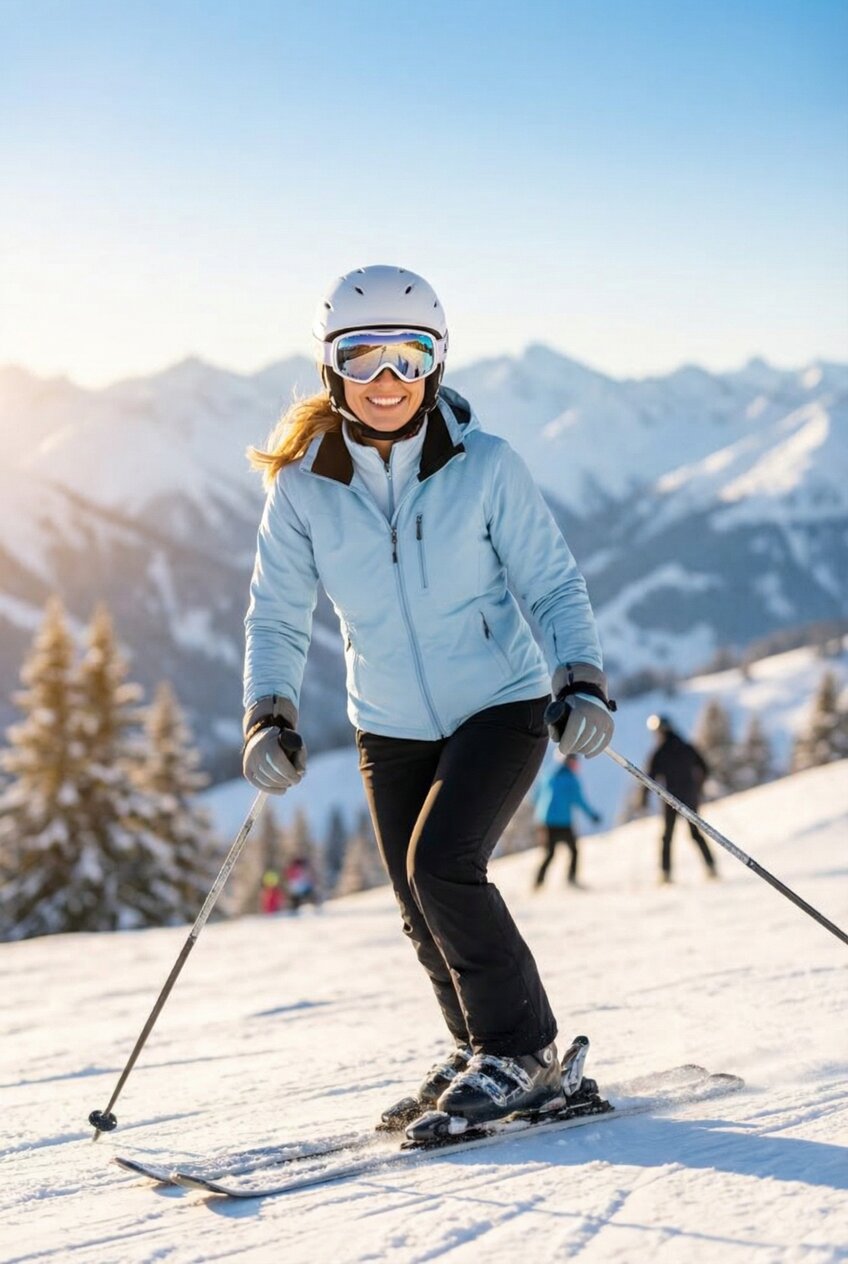
Skiing
The knee takes the brunt of skiing injuries. ACL tears are among the most common severe skiing injuries. The twisting forces during falls or sudden direction changes put enormous stress on the knee ligaments. I also see MCL sprains, knee contusions, and lower leg fractures.
Snowboarding
Snowboarders tend to fall differently than skiers—often forward onto outstretched hands. As a result, wrist injuries are very common in snowboarders, especially among beginners. Wrist fractures and sprains are frequent, and I always recommend wrist guards for anyone learning to snowboard.
Ice Skating
Falls are the primary concern with ice skating. The hard ice surface makes head injuries a significant risk, along with wrist fractures from bracing falls and ankle injuries from improper boot fit or technique.
Cold Weather Compounds the Risk
Beyond the mechanical risks of these sports, cold weather itself creates additional hazards:
- Cold muscles are vulnerable muscles: Muscles, tendons, and ligaments are less elastic in cold temperatures, making them more prone to strains and tears.
- Frostbite risk: Exposed skin can develop frostbite in as little as 30 minutes in cold, windy conditions. Fingers, toes, ears, and the nose are most vulnerable.
- Hypothermia: Prolonged cold exposure, especially when wet from snow, can lower core body temperature to dangerous levels.
- Reduced reaction time: Cold affects muscle response and coordination, potentially slowing your ability to react to obstacles or recover from loss of balance.
Signs of Cold-Related Problems
Watch for numbness or tingling in extremities, skin that appears waxy or pale, intense shivering, confusion, or slurred speech. If you notice these symptoms in yourself or someone else, get to warmth immediately and seek medical attention if symptoms persist.
7 Strategies for Staying Safe
Based on my experience treating winter sports injuries, here are my top recommendations for staying safe on the slopes and ice:
1. Start Pre-Season Conditioning
Don't wait until you're on the mountain to get in shape. Skiing, snowboarding, and skating all require significant leg strength, core stability, and cardiovascular endurance. Start conditioning 6-8 weeks before your winter sports season begins. Focus on squats, lunges, core exercises, and cardio to prepare your body for the demands ahead.
2. Never Skip the Warm-Up
This is critical. Cold muscles, tendons, and ligaments are more vulnerable to injury. Before your first run or stepping onto the ice, take 10-15 minutes to warm up. Do jumping jacks, leg swings, lunges, and gentle stretches. Get your blood flowing and your muscles warm before demanding performance from them.
3. Wear Proper Protective Gear
Helmets are non-negotiable for skiing and snowboarding—I recommend them for ice skating too, especially for beginners. Wrist guards are essential for snowboarders. Make sure all equipment fits properly and is in good condition. Ill-fitting boots can lead to ankle injuries, and worn bindings may not release properly during falls.
4. Take Lessons and Learn to Fall
Professional instruction isn't just for beginners. Lessons teach proper technique, including how to fall safely. Knowing how to fall—and how to avoid instinctively catching yourself with outstretched arms—can prevent many wrist and shoulder injuries.
5. Stay Within Your Skill Level
Pride causes injuries. If you're an intermediate skier, stay off the double black diamonds. Progress gradually as your skills improve. Many serious injuries happen when people attempt terrain beyond their abilities.
6. Dress Smart and Stay Hydrated
- Wear layered, water-resistant clothing that you can adjust as you warm up
- Protect extremities with warm, dry gloves and thick socks
- Stay hydrated—cold air is dry, and you're still sweating under all those layers
- Take regular breaks to warm up and refuel
7. Know When to Stop
Here's a fact that shapes my practice: most winter sports injuries occur late in the day. Fatigue impairs judgment, slows reaction time, and reduces muscle control. When you're tired, stop. That "one last run" mentality leads to a lot of ER visits.
When to Seek Medical Care
Seek immediate medical attention for any head injury with loss of consciousness, confusion, or persistent headache. Also see a doctor for suspected fractures (severe pain, deformity, inability to bear weight), joint injuries with significant swelling or instability, and any symptoms of frostbite or hypothermia. For less acute injuries, if pain or swelling persists beyond a few days or limits your normal activities, schedule an appointment for evaluation.
The Bottom Line
Winter sports are a fantastic way to stay active during the colder months, enjoy the outdoors, and create lasting memories with family and friends. The goal isn't to avoid these activities—it's to participate safely.
With proper preparation, appropriate gear, smart decision-making, and respect for your body's limits, you can significantly reduce your injury risk. And if something does go wrong, early evaluation and treatment leads to better outcomes.
If you're dealing with a winter sports injury, have concerns about returning to activity after a previous injury, or want guidance on conditioning for your upcoming ski trip, I'm here to help. Don't let preventable injuries sideline you from enjoying the season.
Dr. Farhan Rafi, MD
Primary Care & Sports Medicine Physician
Dr. Rafi is board-certified in both Family Medicine and Sports Medicine. He serves as the team physician for Anna High School and is passionate about helping athletes of all levels prevent injuries and optimize performance.
View Profile